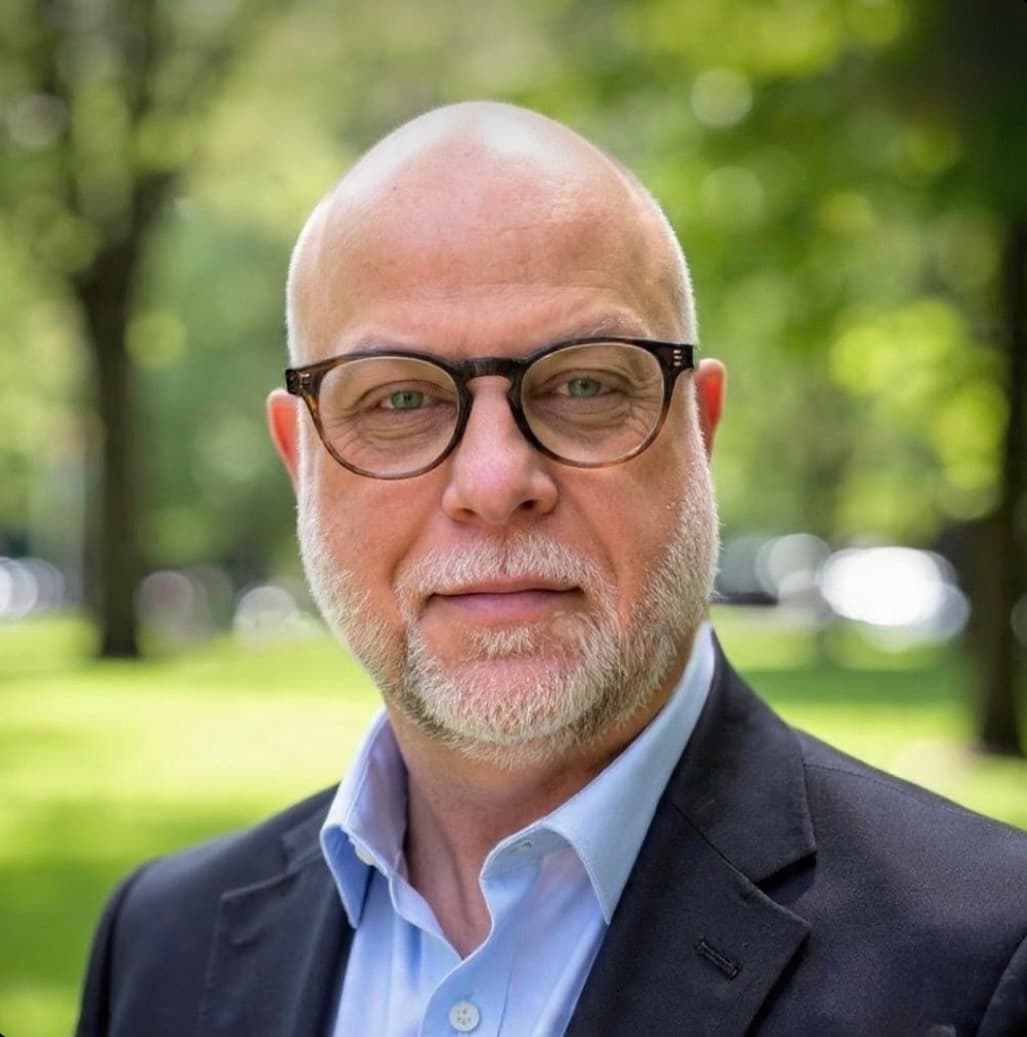
About Troy Colmer
Why I Became a Recovery Coach
I was in recovery for ten years, until I found the approach that made sense for me. What happened in those ten years is the reason I do this.
Ten Years In Recovery
I want to be precise about this, because it matters.
I did not spend ten years drinking and then get sober. I spent ten years in recovery, battling to stay sober. AA. Psychologists. Counselling. Therapy. Outpatient treatment. Group programs. I went. I did the work. I wanted it.
And I struggled the whole way through. I did not fully succeed in any of those years.
It was very difficult. And it was hardest on the people around me — the ones who wanted nothing more complicated than for me to be healthy and to find some peace in my life. They watched me try, and try, and come up short, over and over. If you love someone in that place right now, I understand what it is costing you.
If you are the one in that place — if you have done the work and watched it slip anyway, more than once — then you already know the particular kind of tired I am talking about. Please keep reading. I want to tell you why I think it kept happening to me.
Where It Started
I took my first drink when I was fourteen years old. It felt like falling in love. That first buzz gave me a feeling unlike anything I had ever experienced. More importantly, it quieted something I had carried since I was a little boy — a constant feeling that I wasn't enough.
I grew up in a loving but strict, rules-based home. I lived on high alert, convinced I was always one mistake away from being caught or punished. I learned to survive by hiding. I became a chronic liar, because I believed that if people didn't know the real me, they couldn't judge me.
Alcohol did exactly the same thing. It hid me from myself.
Whenever life became uncomfortable, alcohol was there to numb the pain, reduce the anxiety, and help me escape. What I didn't realize was that every time I reached for it instead of facing life, I was losing a little more of my ability to handle hard emotions, solve problems, and build resilience. I wasn't learning how to live. I was learning how to escape.
Why It Kept Not Holding
Looking back, I can see three things I was missing. I didn't have language for them at the time. I do now, and they are the foundation of how I coach.
I wasn't willing. I thought the goal was to stop drinking. I had proven many times that I could stop drinking — for a month, for three months. What I had never done was learn how to live sober. Those are two completely different projects, and I kept signing up for the easier one.
I hadn't surrendered. In 2014 I agreed to quit, and I meant it. But I was quitting for my family. I was quitting so the people I loved would stop worrying. A recovery built to satisfy someone else has a shelf life, and mine ran out on a Super Bowl Sunday when I walked into a pub to pick up chicken wings and looked up at the Guinness tap staring back at me like an old friend. Just one pint. Nobody has to know. That was my first relapse.
I wasn't open-minded. I sat in AA rooms and judged everyone in them. I catalogued the ways I wasn't like these people. I decided I didn't belong there, and I stopped going — and in doing so I threw away the one thing that might have helped, because I was too certain I already knew better.
Ten years. A revolving door. Nothing lasting longer than about four months. And the most frustrating part was that I genuinely wanted to stop. I could not understand why I kept returning to the very thing that was hurting me.
The Day That Changed
I lost my job. Not because of downsizing, and not because of poor performance. Because of my own choices. Instead of spending my afternoons building customer relationships, I had been spending them sitting in a pub. I logged into what I thought was a routine video meeting, and Human Resources was waiting for me.
I packed up my briefcase. I drove straight to the pub. And I drank. That night I lied about where I had been.
The next morning, I told the truth.
Something in me had changed. I was exhausted. Exhausted from pretending. Exhausted from lying. Exhausted from trying to convince everyone — including myself — that I had it under control.
For the first time in my life, I surrendered. Not for my kids. Not because of the job. I surrendered because I finally wanted recovery for myself. I called a treatment centre, and I checked myself in.
Thank goodness, that day came — the day I found true, sustained recovery. Life has been different ever since.
What I Found
I didn't go to treatment because I needed to learn how to stop drinking. I went because I needed to learn how to live sober.
This time I was willing to do whatever that took. I surrendered to a new way of thinking and a new way of living, one day at a time. And I stayed open-minded, because I had finally admitted that my way had not worked and that I would have to find what actually worked for me.
I rebuilt my life around routine, accountability, discipline, community, prayer, meditation, education, self-reflection, service, and gratitude. One day at a time.
And then something I hadn't expected happened. I found peace, joy, and contentment — in my mind and in my soul. Not just the absence of drinking. Actual peace. Eventually I had built a life so fulfilling that I no longer wanted to escape from it.
What I Wish I'd Had
If I could go back and change one thing about those ten years, it wouldn't be the treatment centre. It wouldn't be the counselling or the therapy. It would be having a recovery coach from the very beginning.
For ten years, every recovery plan I followed belonged to someone else. That is exactly why I resisted them. A coach would have helped me build a plan around my own values, goals, strengths, and struggles — and when the plan belongs to you, you protect it.
A coach would also have challenged the beliefs quietly running my life. I'm not like these people. One drink won't hurt. I'm only doing this for everyone else. Those weren't facts. They were distortions, and I needed someone beside me who could hear them out loud and push back.
That is why recovery coaching is such a powerful complement to counselling, therapy, treatment, and medical care. Not a replacement. A partner. Someone who walks beside you while you build a recovery that belongs to you.
I felt called to this work — but I also knew lived experience alone wasn't enough. If someone trusted me to walk with them through one of the most important journeys of their life, they deserved a trained professional. So I trained. I'm a Certified Recovery Coach and a member of Recovery Coaches Canada.
If My Story Sounds Familiar
I have been a teenager, an athlete, a husband, a father, a business owner, and a senior business leader — someone who looked successful on the outside while quietly falling apart on the inside. Because of that, I can sit with people from a lot of different walks of life.
Whether you are sixteen and wondering if your relationship with alcohol is becoming unhealthy, or a CEO asking yourself how did I get here — I have probably asked many of the same questions you are asking today.
And if you are on your third attempt, or your tenth, and you are afraid to try again because trying and failing hurts worse than not trying: that is the conversation I most want to have with you. It is the one I needed someone to have with me.
What I Am, and What I'm Not
I'm not a therapist. I'm not a counsellor. I'm not a doctor. Recovery coaching is not treatment or medical care, and it never replaces them. If counselling, medical care, or treatment is part of your journey, I will encourage and support you every step of the way.
What I am is someone who genuinely cares about your future. I believe you already have the strength and the wisdom you need. My job isn't to tell you how to live. It's to help you find the path that is right for you.
Every conversation is confidential. Every recovery journey is different. And every decision belongs to you.
You don't have to walk this journey alone. I'd be honoured to walk beside you.
Your Recovery Journey Can Begin Today
If you have read this far, perhaps something here sounded familiar. Maybe you are tired. Maybe you are questioning your relationship with alcohol or another addictive behaviour. Maybe you are wondering whether life could feel different. I want you to know that change is possible. I know, because I lived ten hard years on the way to it. Recovery isn't about becoming someone else. It's about becoming the person you were always meant to be.